

How to Engineer a Leadership Team Offsite for Impact
By Dr. David Livingston
The Eight Essential Ingredients of an Offsite
Leadership team offsites can be game changers or expensive, time-wasting rituals. Designing an effective leadership offsite isn’t about booking a scenic venue or filling an agenda with presentations; it’s about intentionally shaping conversations, decisions, and connections that will drive the organization forward.
When engineered with clarity and purpose, an offsite becomes more than a retreat, it becomes a strategic inflection point where leaders align on priorities, confront obstacles, and commit to coordinated action.
The difference between an effective and an ineffective offsite comes down to two things: design and facilitation. The venue, the food, even the attendees matter far less than how the experience is designed and led.
So, how do you make sure your next offsite actually moves the business forward?
You need eight essential ingredients to engineer your next offsite for impact.
DESIGN
1. Narrative-Based Agenda
Humans are wired for story. As Jonathan Gottschall wrote, we’re “the storytelling animal,” and the best offsites use that truth to their advantage. A strong agenda should unfold like a narrative that moves the team from where they are to where they need to be.
A simple but powerful design exercise: ask stakeholders to fill in the blanks.
“The team is entering this offsite thinking ___, feeling ___, and doing ___. When it’s over, we want them thinking ___, feeling ___, and doing ___.”
That statement becomes your North Star, ensuring the sessions flow logically and build toward a meaningful end state.

2. Strategy Discussions, Not Presentations
If strategy isn’t on your agenda, cancel the offsite. This is the moment to lift your eyes from the fires of daily operations and realign around the long game.
But strategy doesn’t stick because someone gives a great speech or shows a clever slide. It sticks when leaders own it – when they’ve debated it, shaped it, and committed to it.
Design time for real conversation, not passive listening. Use questions that provoke dialogue and challenge assumptions. True ownership comes from having a voice, not from sitting through another monologue.
3. Data-Driven Dialogue
Every leader has an opinion about what’s working. Data helps separate signal from noise. Send a short survey or run a few quick interviews before the offsite to capture input from voices not in the room.
Don’t overengineer it. Even a few meaningful data points can highlight trends worth discussing. The key is to avoid rabbit holes; one stray data point can hijack a session. Instead, focus on patterns and how they affect your strategy going forward.
4. Creative Problem Solving
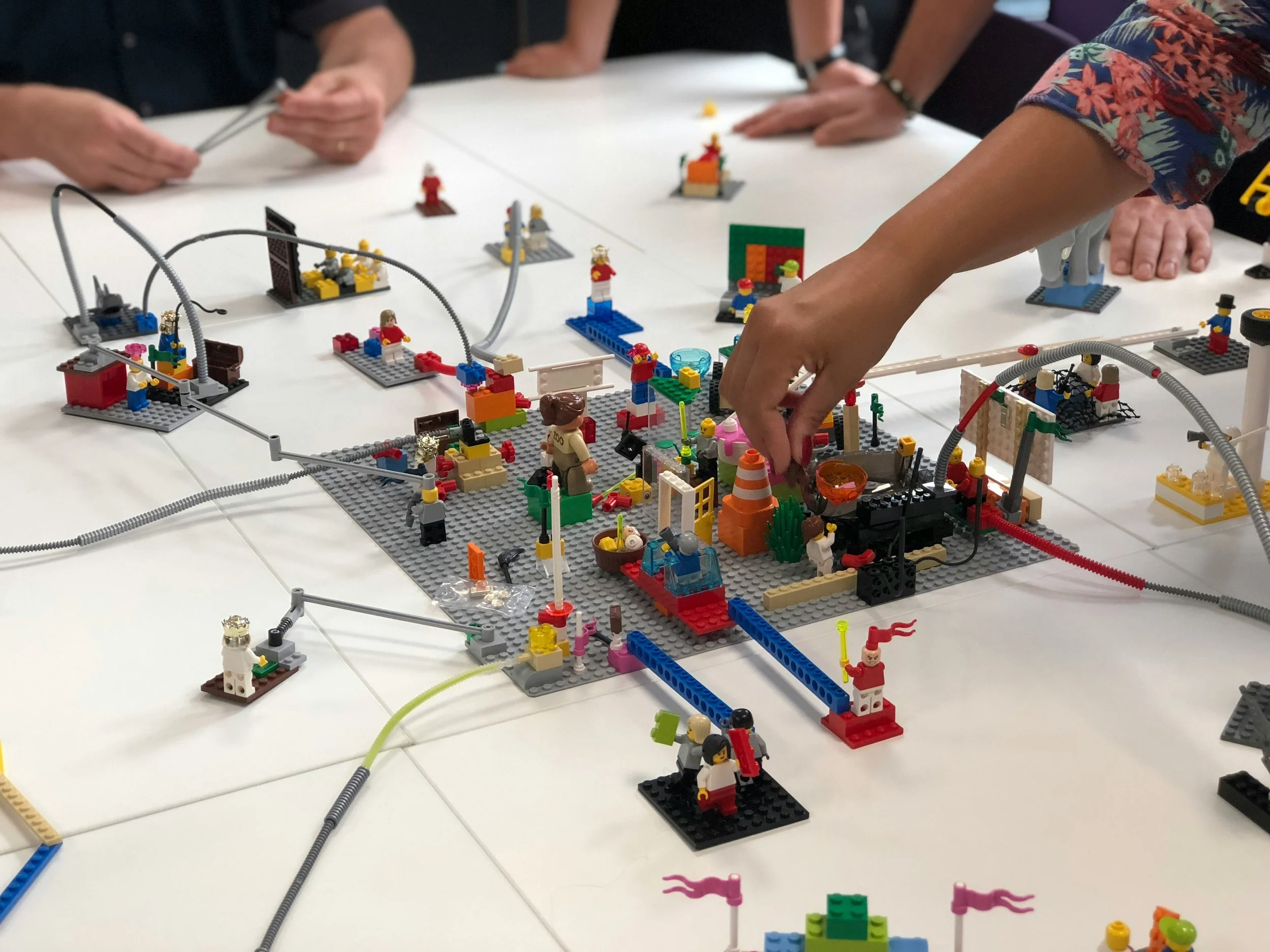
Offsites often surface issues but stop short of solving them. People leave feeling lighter because they’ve vented, but nothing changes. Design time for actual problem solving.
Break the team into smaller groups to explore multiple paths (divergence), then bring them back together to align on solutions (convergence).
Finish each conversation by naming the first few concrete actions, assigning owners, and committing to follow-through.
5. Curated Moments of Connection
Skip the trust falls. Connection doesn’t have to be cheesy to be powerful. What matters is creating experiences that remind the team that they’re humans first, colleagues second.
That could mean a shared challenge like a pit crew exercise or a sunrise hike, a creative experience like cooking with a chef, or a service project in the community. Even a well-designed team dinner can build the trust needed for sharper debate later.
Whatever you choose, make it mandatory. When leaders skip shared experiences for client work or spending time clearing their inboxes, it signals that team cohesion is optional. It’s not.
FACILITATION
6. Pre-Event Interactions
Strong facilitation starts well before the event begins. A great facilitator needs context – the organization’s landscape, power dynamics, and unspoken history. Without that, even good facilitators miss cues, misread tone, and lose credibility.
That context doesn’t require weeks of shadowing or observations. A few targeted interviews and an artifact review will surface enough insight. Be wary of any facilitator who claims they can “just jump in.” That’s confidence without substance, and your team will notice.
7. Comfort with Discomfort
If an offsite feels perfectly smooth, you probably avoided the hard topics. A little tension is not only healthy, it’s necessary.
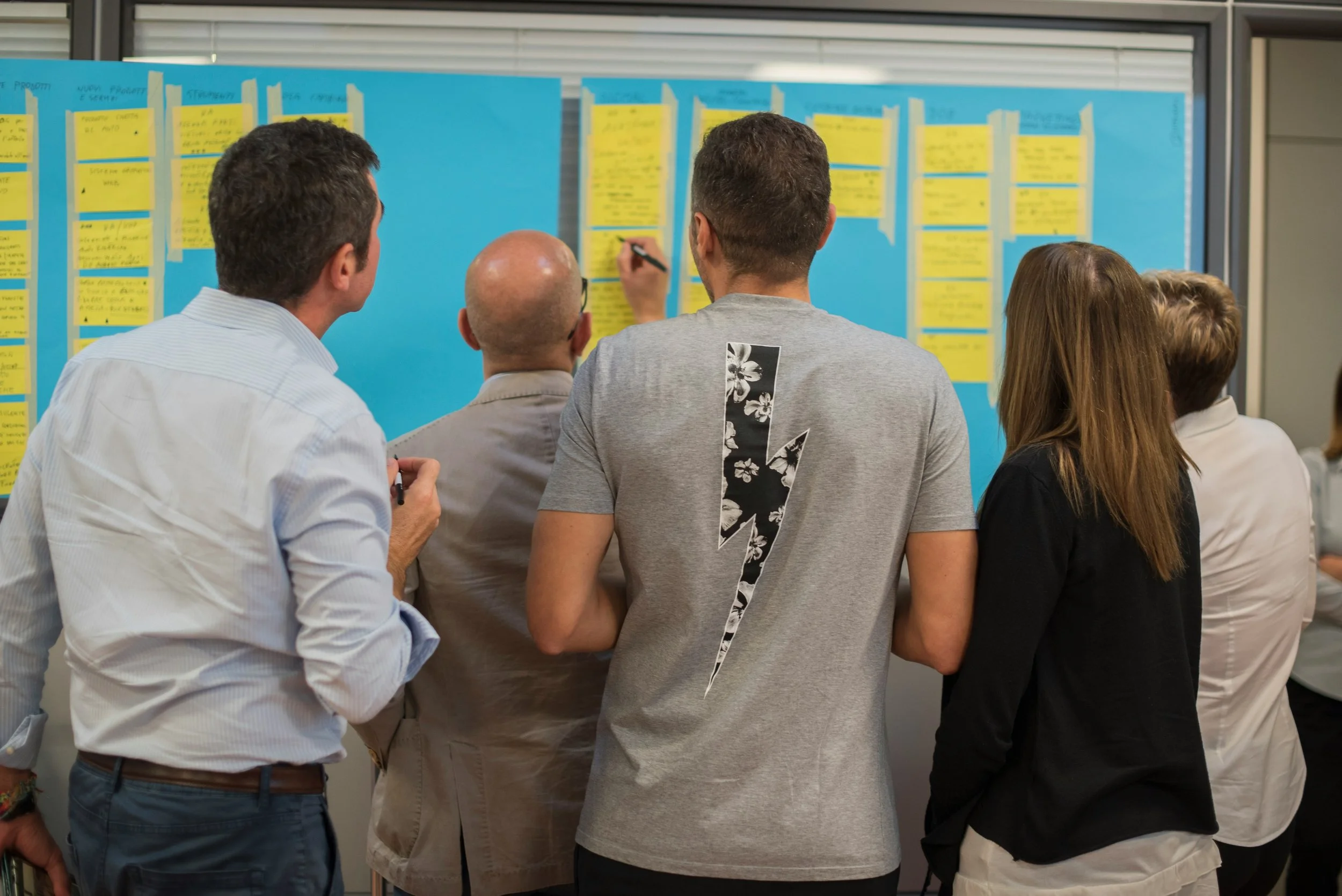
Meaningful dialogue happens when leaders disagree productively. The facilitator’s job isn’t to eliminate friction but to use it. Calling out contradiction: “You said X earlier, but now I’m hearing Y. Can we reconcile that?” Productive disagreement keeps the group honest and focused.
Great facilitators create a space where leaders can argue ideas without making it personal. That’s where progress happens.
8. Demand for Clarity
Every leadership team has power dynamics that make people hesitate to speak plainly. Great facilitation brings the unsaid to the surface.
Curiosity is the facilitator’s sharpest tool. Ask questions that cut through vagueness: Who owns this? By when? What does success look like? When accountability is everyone’s job, nothing gets done. Or as one leader once said, “When everyone’s job is to feed the dog, the dog starves.”
End every session with clear commitments, owners, and next steps. Without them, the offsite is just an expensive conversation.
FINAL THOUGHTS
Ultimately, an impactful leadership offsite doesn’t happen by chance, it’s the result of thoughtful design, disciplined facilitation, and a clear vision for what leaders must walk away ready to do. Too many executives treat offsites as a corporate tradition – a necessary evil that checks a box and burns a few days. But when done right, an offsite is a strategic accelerator.
When an offsite is engineered with intention, bringing design and facilitation together, the eight essential ingredients result in a recipe that’s real: sharper alignment, stronger relationships, renewed commitment, and faster execution.
If you’re going to spend the time and money on a leadership team offsite, invest in an event with strategic impact. Don’t settle for a pleasant retreat. Engineer a turning point for your organization.
